3 min read
Fuel Pain Powers Africa’s EV Shift
Spiro has closed a $270m funding round, its largest yet, after adding $55m from NewTrails Capital, a Chinese growth fund with offices in Shanghai, Shenzhen and Lagos. The company now has roughly $557m in disclosed funding, making it the continent’s most heavily capitalised electric mobility company.
It operates 100,000 electric motorcycles and 2,500 battery swap stations across seven African markets. The swap model matters because it means riders don’t need to wait for unreliable charging. They exchange a depleted battery for a charged one and get back on the road.
What’s driving adoption is not ESG, but petrol. For motorcycle taxi riders spending 40 to 60% of daily earnings on fuel, electric bikes are becoming a practical response to rising operating costs.
The larger opportunity is infrastructure. A dense battery-swap network could support not only motorcycles, but also delivery fleets and small businesses that need more reliable access to power. Spiro may be starting with transport, but the commercial value sits in the network behind it.
DR Congo Wants More Control Over Cobalt
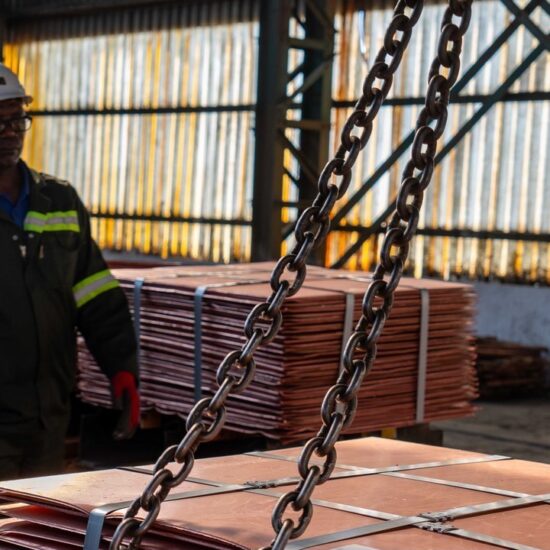
The DRC has ordered miners to hand over unused cobalt export quotas to the government’s strategic reserve. The directive affects major operators including CMOC, Glencore and Eurasian Resources Group, in the country that produces around 70% of the world’s cobalt.
The order is the latest test of Kinshasa’s quota system, introduced after an earlier export ban. The government is trying to limit oversupply and support prices, while keeping more control over how much cobalt leaves the country. The market has already responded. Cobalt prices have risen by 160% since the restrictions began, while major producers have taken different approaches. Glencore has cut output, while CMOC has continued producing and stockpiling material that it cannot yet export.
The question is whether the DRC can enforce the system consistently. Quotas are one thing; applying them across a complex mining sector is harder. But the direction matters. For battery manufacturers, EV producers and energy storage companies, cobalt supply from the DRC now carries a clearer regulatory risk.
Nigeria’s Budget Gap Raises Questions Over Fiscal Credibility
The IMF says Nigeria had public spending worth around 2% of GDP missing from recent official budgets. That is roughly N8.83 trillion (est. $6.45 billion) in capital expenditure carried out off-budget and excluded from formal reports.
The IMF framed the issue carefully, noting that Nigerian authorities have started correcting the gap. But the disclosure still matters. If official budgets understate actual spending, it becomes harder for investors, lenders and businesses to assess the government’s fiscal position.
That affects more than accounting. It can shape borrowing costs, risk premiums and confidence in Nigeria’s wider reform programme.
Nigeria has made real macroeconomic changes. The question now is whether its fiscal reporting can give markets the same level of confidence as its policy direction.
Mozambique’s Fuel Shortage Exposes a Wider Energy Gap
Mozambique is one of Africa’s major gas producers, but businesses are still dealing with fuel shortages.
Petrol stations have been rationing supplies or running dry, while business groups warn of transport disruption, raw material shortages and factory shutdowns. At the same time, the large $20bn gas project led by TotalEnergies in northern Mozambique has resumed work after being paused, and is expected to begin exporting gas in 2029.
The gap is structural. Gas extracted offshore and sold under long-term export contracts doesn’t automatically translate into affordable fuel for local businesses.
Mozambique exports part of the energy value chain while importing the refined products that its economy depends on. Its Liquefied Natural Gas future may bring investment and export revenue, but it doesn’t resolve the immediate fuel pressures facing businesses today.
FREE · TWICE A WEEK