2 min read
Zambia Launches A Digital Trust System
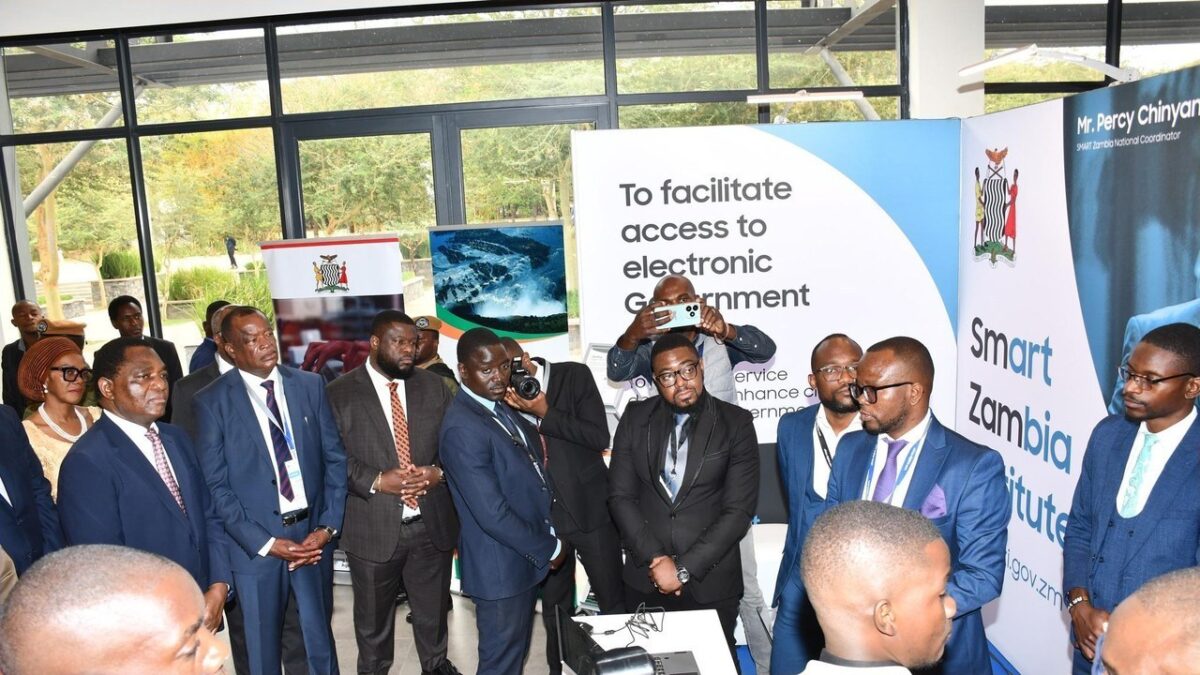
Zambia has launched its first National Public Key Infrastructure, a system for issuing and verifying the digital certificates used to authenticate people, organisations and online services. It supports electronic signatures, secure government transactions and the digital identity platform for which procurement is still underway.
The infrastructure was built by Altron Security, the identity arm of South Africa’s Altron, which says Zambia is the first country in their plan to build similar systems for other African governments. Percy Chinyama, national coordinator of the Smart Zambia Institute, said the launch is only the beginning and its value will depend on whether the government can sustain the infrastructure, build the skills and get public institutions to adopt it.
TotalEnergies Commits $10bn To Angola
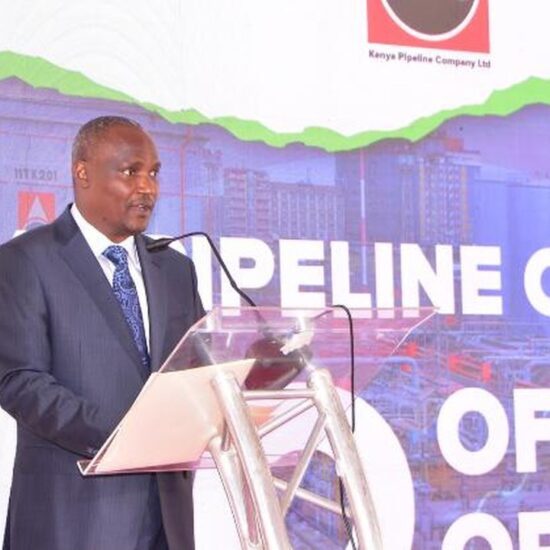
TotalEnergies and its partners plan to invest about $10 billion in Angola over the next five years, including the $6 billion Kaminho deepwater project. The company also announced a new discovery in Block 17, one of Angola’s offshore exploration areas, and agreements for stakes in two additional blocks. ExxonMobil separately reported another discovery in Block 15, its third there in four years.
Angola is trying to keep oil production around one million barrels a day as output from older fields declines. The country left OPEC in 2024 after rejecting a lower production quota, saying that restricting output below its potential could discourage investment in new production.
Corporate Buyers Now Drive South Africa’s Clean Power
Corporate power purchase agreements will support 73% of the 2.3 gigawatts of utility-scale solar and wind expected in South Africa this year, overtaking government auctions for the first time, up from 48% of additions in 2025. Demand has grown since the cap on private generation was lifted in 2023, with around 5 gigawatts contracted since 2020. Mining and industrial groups including Sibanye Stillwater, Rio Tinto, Air Liquide and Sasol are among the largest buyers.
Under these agreements, a mine or factory can contract directly with a private generator for long-term supply, helping finance new capacity while giving the buyer greater control over price and source. The power still travels through the national grid, and transmission capacity is now the constraint on how quickly new projects connect. Zambia is showing a similar shift; First Quantum says its mines increasingly rely on replacement power bought from traders rather than the state utility.
FREE · TWICE A WEEK