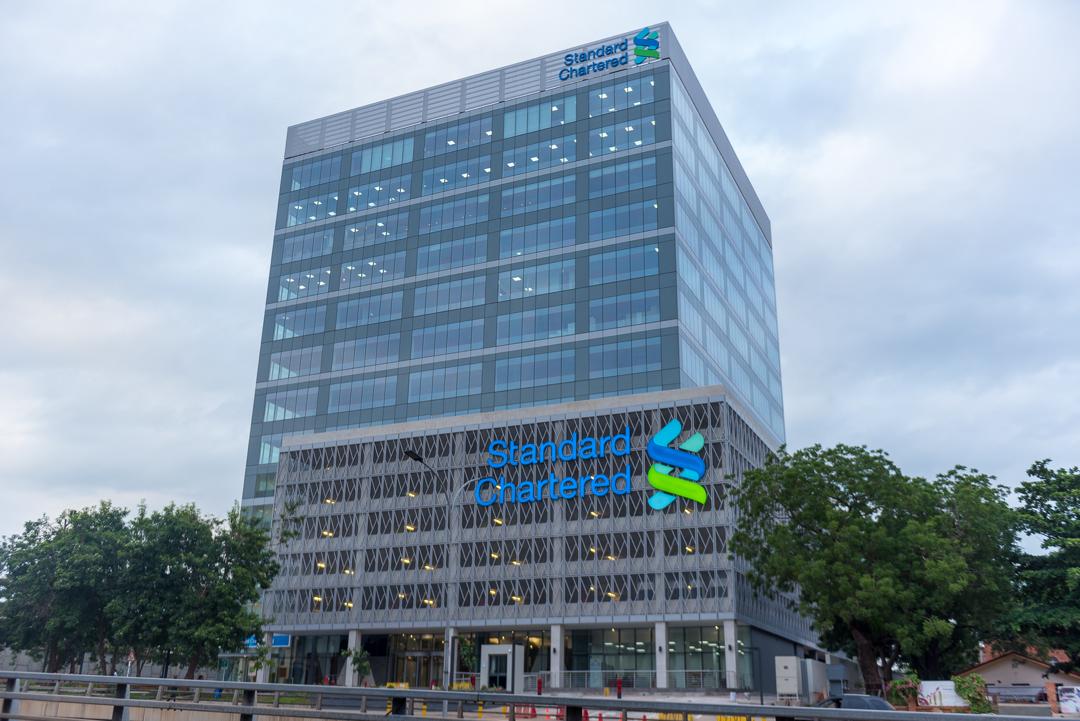
Standard Chartered’s decision to step back from retail banking in Ghana is about more than one bank. It reflects a broader reorganisation of African banking that has been unfolding for over a decade.
For over a century, Standard Chartered has been part of Ghana’s financial system. Established in 1896, it financed trade during the colonial period, survived independence, currency reforms and banking crises, and became one of the country’s most recognisable international banks.
Last month, that relationship entered a new phase.
On 25 June, Standard Chartered announced that it is exploring the sale of its wealth and retail banking businesses in Ghana, subject to regulatory approval. Corporate and investment banking will remain. The move forms part of the bank’s wider strategy of concentrating capital on cross-border corporate banking, affluent clients and wealth management. In Ghana, this means stepping back from the business of serving everyday consumers.
Viewed in isolation, it looks like another portfolio adjustment. Set against over a decade of banking exits and restructurings across Africa, it looks more like a continuing shift in who international banks believe their customers should be.
That shift has been gradual. Barclays reduced its African presence after selling down its stake in Absa Group, a process it began in 2016. Société Générale has sold subsidiaries across a dozen African markets since 2023, including businesses acquired by Saham, Vista and Coris. Standard Chartered has followed the same broad pattern. It has exited consumer banking in Zimbabwe, Zambia, Tanzania and Uganda, while retaining the operations built around multinational companies, trade finance and cross-border capital flows.
Retail banking has become far more competitive than it was 20 years ago. Mobile money has transformed payments; according to the GSMA, $1.4 trillion moved through mobile money accounts in Africa last year across 1.2 billion registered accounts. In Ghana, as in Kenya and Côte d’Ivoire, mobile money contributes more than 5% of GDP.
Fintechs have lowered the cost of acquiring customers. Local banks understand domestic markets better than many international competitors. Capital requirements have also become more demanding, making low-value retail accounts harder for global banks to justify.
Corporate banking offers a different calculation. Companies financing infrastructure, managing foreign exchange or trading across several jurisdictions still need international banking networks. Those relationships generate larger balances, more fee income, and fit more naturally with Standard Chartered’s strategy.
What’s changing now isn’t the availability of retail banking, but the type of institution providing it.
For decades, the presence of a major international bank on the high street was often treated as a sign of economic development. Increasingly, the more revealing sign may be the ability of domestic and regional institutions to serve those customers themselves. The question is whether that shift eventually extends beyond retail banking.
Regional groups are already building cross-border corporate ambitions of their own, while initiatives such as the Pan-African Payment and Settlement System are designed to route intra-African trade payments around the traditional correspondent banking system. That transition is likely to unfold over years rather than months. By then, Standard Chartered’s decision in Ghana may come to be seen not as an isolated event, but as part of a much longer reorganisation of African banking.
What We’re Watching
- Who acquires the Ghana business, and what does that reveal about the balance of power between local, regional and international banks?
- Do Kenya and Nigeria remain Standard Chartered’s long-term consumer banking exceptions, or become the next markets under review?
- Does the shift stop at retail, or do regional banks and initiatives such as PAPSS begin to challenge international institutions further up the corporate and cross-border banking chain?