4 min read
Dangote Breaks Ground In Lamu
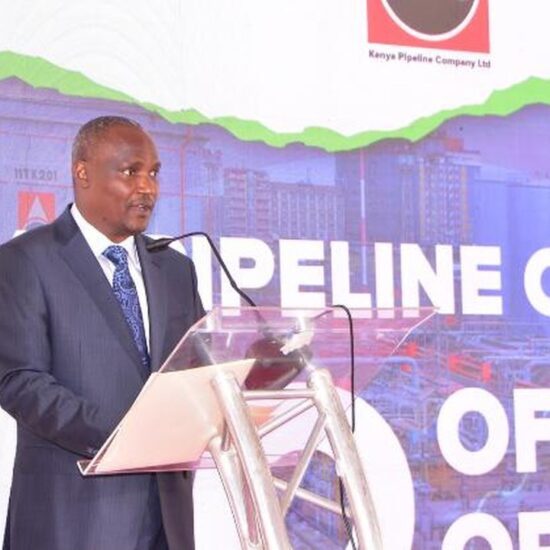
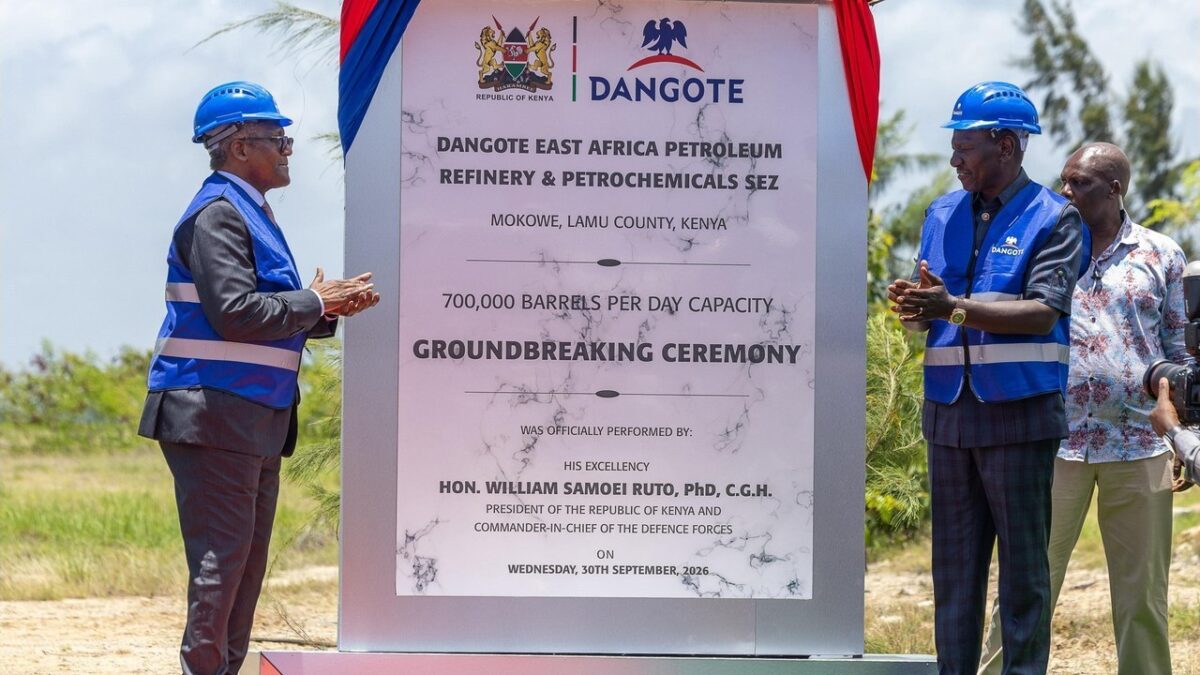
Aliko Dangote broke ground on 30 September on a $16 billion refinery in Lamu, on Kenya’s coast, with a land dispute still before the courts.
Five days earlier, a court in Malindi ordered the parties to keep the disputed land as it is until a hearing on 14 October. The case was brought by 133 residents who say the plot is their ancestral land. Dangote Group says the order did not stop the groundbreaking but could affect some work on the site.
The refinery is designed to process 700,000 barrels a day and will supply petrol, diesel and jet fuel to Kenya and the rest of East Africa. Dangote Group will own 70%. East African governments have been offered the other 30% and can pay for their stakes over four years.
Honeywell has a contract worth about $300 million, and reusing designs from Dangote’s Lagos refinery should cut almost two years from the build. Dangote wants it finished in 40 months.
Société Générale Sells Its Ghana Bank
Société Générale is leaving Ghana. Its 60.22% stake in its Ghanaian bank is being split two ways. Morocco’s Attijariwafa Bank takes 55.22%, its first bank in Ghana, and the state pension fund, the Social Security and National Insurance Trust (SSNIT), takes 5% on top of the 19.36% it already holds. No price was given.
SSNIT set up the bank, which became the Social Security Bank in 1976, and owned all of it. It sold part of its holding when the bank listed on the Ghana Stock Exchange in 1995, and Société Générale bought control in 2003.
The bank has 40 branches and held 2.4% of Ghana’s deposits in 2024, ranking 15th. In 2025, its profit fell nearly 28%, and loans and customer deposits both shrank.
Société Générale put the business up for review in May 2024. The sale still needs approval from regulators in Ghana and Morocco. After the sale, SSNIT will hold 24.36% of a bank it once owned outright. Control moves to Casablanca.
Ghana And Côte d’Ivoire Open The Cocoa Season 75% Apart
Ghana opened its cocoa season on 25 September, paying farmers 42,400 cedis a tonne, about $3.65 a kilo. Côte d’Ivoire, which opened on 1 September, is paying 1,200 CFA francs a kilo, about $2.07. Ghana is paying about 75% more.
Three months earlier, on 16 June, the two presidents signed a declaration in Abidjan. It committed their countries, which together grow about 60% of the world’s cocoa, to harmonise how they set the price paid to farmers and to share a cocoa year starting on 1 September. A joint task force was set up to design the pricing framework.
Each government still sets its price its own way. Abidjan says its price reflects what it got for crop sold in advance. Those forward sales were made mostly between March and June, when world cocoa traded at £2,100 to £3,800 a tonne. By early September it had passed £4,800. Ghana’s price follows a law passed this year that guarantees farmers at least 70% of the export value.
The task force met in Accra in late July, and its last public update, in early August, said work was continuing. On 28 September, the Ivorian newspaper Le Moment reported that Côte d’Ivoire had decided to leave the harmonisation mechanism. Neither government has confirmed it. In Côte d’Ivoire, the farmers’ union SYNAP-CI has called on growers to hold back their beans.
For much of last season, when Côte d’Ivoire paid more, an estimated 160,000 tonnes of Ghanaian cocoa crossed into Côte d’Ivoire and Togo. This season the gap is about $1,600 a tonne, in Ghana’s favour.
Also This Week
Airtel Money Prices London Listing
- The shares are priced at £1.96, valuing the business at about £5.3 billion, below the $8 billion to $9 billion reported earlier.
- Existing investors are selling all 270 million shares on offer, so Airtel Money raises nothing.
DRC To Audit Miners Yearly
- From 2027, the Democratic Republic of Congo will audit major miners every year on their use of local subcontractors.
- Glencore’s KCC and Mutanda mines have already been ordered to change their arrangements.
Burkina Faso Opens Gold Refinery
- The new refinery can refine 164 tonnes a year. The country mined 94 tonnes last year.
FREE · TWICE A WEEK