3 min read
Dangote Refinery Seeks $1bn, Valued at $39bn
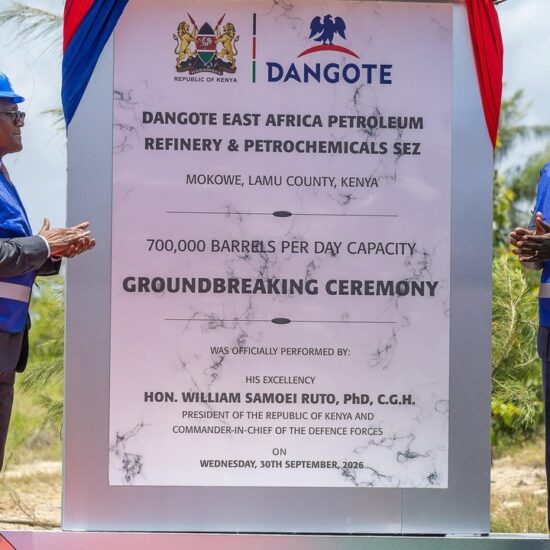
Nigeria’s Dangote Petroleum Refinery is seeking to raise $1bn through a private placement, valuing the 650,000 barrel-per-day facility at approximately $39.1bn. The refinery is offering 3 billion shares at $0.35 each, with investor demand already exceeding $2bn. Local participation is notable; Nigerian billionaire Femi Otedola has committed $100m, and Afrobeats artist Davido has also announced he will invest.
The refinery was built for roughly $20bn. This placement values it at close to double that, before a single share has traded on a public market. Part of that premium reflects real progress. The refinery became the world’s single largest jet fuel exporter in April and has measurably reduced Nigeria’s reliance on imported diesel, petrol and aviation fuel since starting production in 2024.
The valuation will grab the headlines. The more important story is what comes next. If the refinery continues to scale successfully, it could further strengthen regional fuel supply and reduce reliance on imported refined products. That would have implications far beyond Nigeria.
Liberia Signs $125m Across Energy, Roads and Broadband
On 5 June, Liberia signed three World Bank financing agreements worth $125m. The first allocates $57m to expand the Mount Coffee Solar Park from 20 to 30 MW and add battery storage, addressing chronic grid power shortages. The second provides $50m for broadband connectivity, e-commerce infrastructure and digital payments. The third commits $18m to complete the Ganta–Tappita road corridor, linking southeastern agricultural and resource-producing regions to larger markets.
Mount Coffee has received World Bank-backed financing before. Earlier phases restored and expanded the plant after its destruction during Liberia’s civil war, and Monrovia’s grid reliability has improved, but remains inconsistent. This $57m tranche adds battery storage, which earlier phases didn’t include.
For businesses currently relying on generators, expensive connectivity and difficult transport links, the announcement is promising. The question is how quickly those improvements reach the businesses expected to benefit from them.
Canal+ Loses the World Cup
Togo-based broadcaster New World TV has secured exclusive pay-TV rights for the 2026 FIFA World Cup across 19 French-speaking Sub-Saharan African countries, displacing Canal+ Afrique, which has dominated premium sports broadcasting in the region for years. The deal also covers free-to-air sublicensing across 43 territories.
Canal+ built its regional distribution infrastructure over more than a decade specifically to deliver events at this scale across these markets simultaneously. New World TV is taking on that same delivery requirement: 19 countries, peak demand, no margin for error, plus no comparable infrastructure history or a previous World Cup to have stress-tested it.
If delivery holds, New World TV will have done more than win the rights. It will have shown that an African broadcaster can deliver one of the world’s biggest sporting events across multiple markets at scale.
Three different sectors. Three different countries.
In each case, the headline points to progress. More capital. More infrastructure. More local control. Whether any of it changes conditions on the ground depends on what happens after the announcement.
That’s usually where the real story begins.
FREE · TWICE A WEEK