6 min read
The Democratic Republic of the Congo (DRC) runs on the US dollar. At the end of 2024, around 91% of bank deposits and 97% of bank loans were denominated in them. From April 2027, the central bank plans to prohibit cash transactions in foreign currencies. Governor André Wameso has stressed that the dollar itself is not being banned. They can still be held in accounts and move through cards, transfers and electronic money. The target is cash. The central bank wants dollar payments in channels it can supervise while it tries to rebuild trust in the Congolese franc.
That’s what makes Visa’s new pilot more than a payments experiment. In July 2026, Visa executive Godfrey Sullivan said Visa Pay was settling M-Pesa wallet top-ups in the DRC with stablecoins “in the background”. The customer still sees the familiar mobile-money wallet. The token sits somewhere behind it.
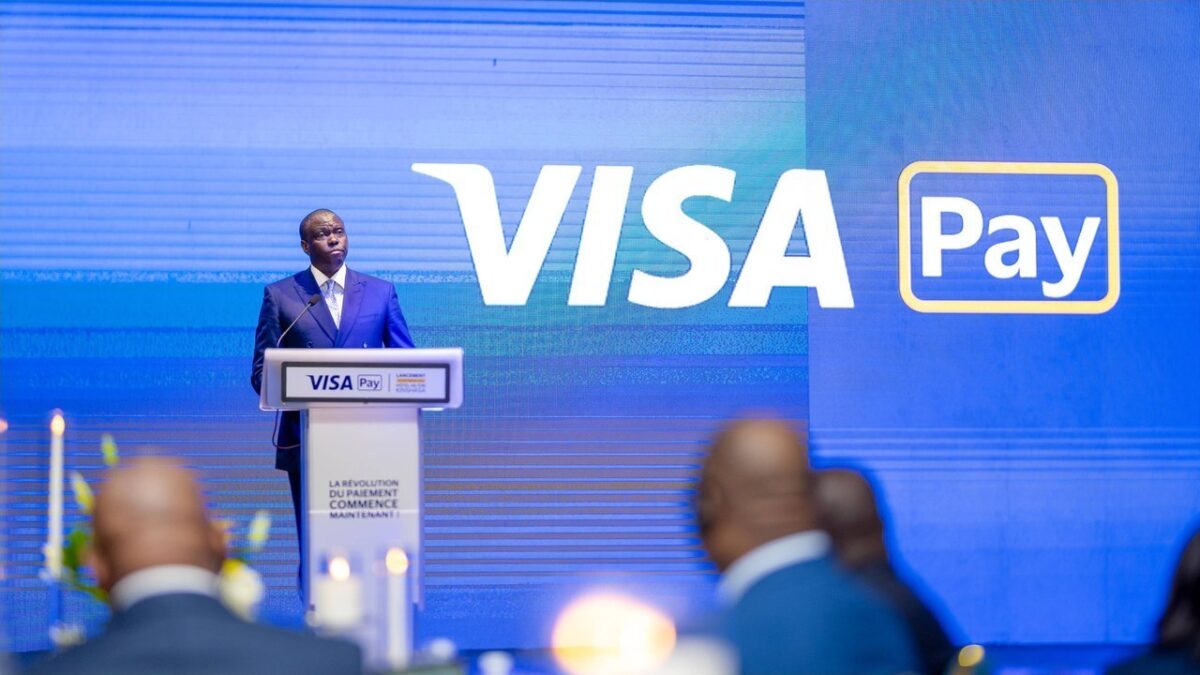
Visa Pay arrived in the DRC in September 2025, connecting Visa’s network with M-Pesa, Airtel Money and Orange Money through Onafriq. The new pilot inserts a stablecoin into the settlement that follows a wallet top-up. Much about it remains unknown. Visa hasn’t named the stablecoin or blockchain, the corridors involved, the volumes, costs or results. Nor has it said whether customers could ever hold or transfer the token themselves.
As the pilot develops, those details will show whether the stablecoin remains a settlement tool between regulated institutions or makes dollars easier for customers to hold and move. A transfer that looks instant may be paid out before the institutions behind it have settled with one another. Providers bridge that gap by parking money near the destination in advance. This prefunding speeds up the customer payment but ties up capital across several markets at once.
A stablecoin offers another bridge. One institution can send a token designed to hold a fixed value to another at any hour, rather than waiting for correspondent banks to complete the same journey. The token replaces only the middle. Someone still has to convert the money, clear the compliance checks and pay it out in local currency at the other end.
For a payment company, the prize could be less idle capital and faster reconciliation. For a business, it might mean an overseas supplier receives usable funds sooner, releases stock earlier and spends less time exposed to a moving exchange rate.
Any benefit will eventually have to appear somewhere measurable; the final amount received, the exchange-rate spread, the settlement time or the failure rate. Those are the figures to watch if Visa publishes them.
Even good results would leave one problem untouched. Stablecoins can move dollars faster, but they can’t create them. Where foreign exchange is scarce, someone still has to supply the hard currency. The price of that scarcity does not fall because part of the journey happened on a blockchain.
The DRC pilot is not an isolated Visa experiment. In June 2025, Visa and Yellow Card, which operates in at least 20 African countries, agreed to explore stablecoins for treasury, liquidity and cross-border payments. Yellow Card says its wider network now supports at least 60 countries and has processed more than $10 billion.
The rest of the market is moving too. MoneyGram has partnered with NALA to use stablecoins behind payouts into banks and mobile-money wallets across Africa and Asia. Onafriq had already begun piloting USDC settlement with Circle into a network spanning more than 40 African markets before the Visa test was announced.
Those figures are not comparable. Yellow Card’s total covers its wider network, while Onafriq’s 40 markets describe network reach, not live USDC coverage. Neither reveals corridor-level volume or cost. What they do show is stablecoins moving out of products customers deliberately buy, and into payment infrastructure customers may never notice.
Nigeria demonstrates what happens when the stablecoin refuses to stay behind the screen. The International Monetary Fund estimates that the country received about $59 billion in crypto-asset inflows between July 2023 and June 2024, and that it has taken roughly 60% of stablecoin inflows into sub-Saharan Africa since 2019. Households and businesses use the tokens to pay across borders, hold dollar exposure and shelter value from naira depreciation.
That isn’t the model Visa is testing in the DRC, but it’s the outcome many central banks fear if an institutional settlement asset becomes a retail dollar wallet.
Liberia offers the closest monetary comparison to the DRC. The US dollar already dominates deposits there and circulates alongside the Liberian dollar. Stablecoin settlement could speed up remittances and trade payments without introducing a new unit of account. It would digitise an existing dependence. The gain could be less cash and more reportable activity, but the payment system would lean harder on foreign token issuers, custodians and networks.
If only licensed institutions hold the stablecoin and customers keep receiving conventional money, the monetary effect may stay contained. The central bank could gain more timely records of formal transactions, provided Visa and its partners pass it the underlying identity and payment data.
If customers can hold the token, move it into private wallets or redeem it beyond Congolese jurisdiction, a settlement tool becomes a portable foreign-currency account. Money could move from local bank deposits into stablecoins, raising banks’ funding costs and shrinking the pool available for domestic lending. Demand for the franc could weaken further. Capital controls become harder to enforce once tokens move through wallets and exchanges outside the domestic banking system. A blockchain may record that one wallet paid another. It doesn’t tell the Congolese authorities who owns either wallet, why the payment was made, whether tax was paid or whether mining export proceeds came home as required. Those protections come from regulatory reporting and the state’s legal reach over the firms handling conversion and redemption.
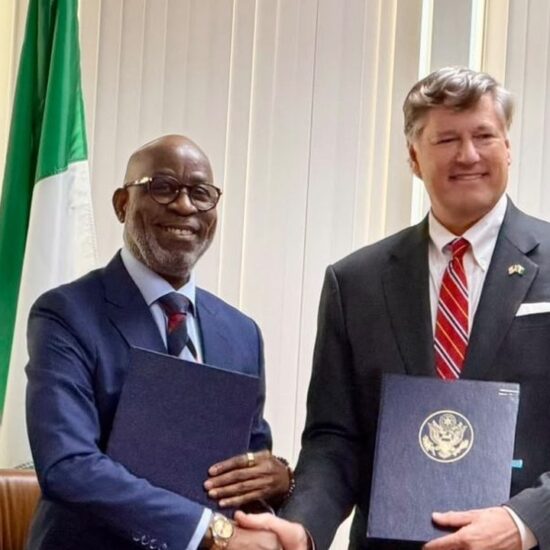
The central bank is no stranger to Visa. In April 2026, the two signed a strategic agreement in Kinshasa covering payment infrastructure, technical capacity and financial inclusion. Stablecoins were not mentioned, and the public terms do not show how the pilot sits within that agreement, what data the bank receives or where its control ends.
Onafriq is building both routes. Its pilot with the Pan-African Payment and Settlement System allows users to send instant wallet payments from Nigeria to Ghana in naira, without first converting through a hard currency. The same company is helping to build one route that uses stablecoins as a bridge and another intended to make African currencies easier to use across borders.
Dollar-linked stablecoin routes may scale faster because they can draw on dollar liquidity and demand that already exists. The local-currency route has to build liquidity while competing with the dollar, which many businesses already trust.
The next contest in African payments will not only be over how quickly money moves, but also which money becomes easiest to move and who still has authority over it.
What We’re Watching
- Which stablecoin and blockchain Visa uses, who handles custody and who can hold or move the token.
- Whether any saving survives conversion and payout, measured by the final amount received, exchange-rate spread, settlement time, failure rate and capital released from prefunding.
- What data the Central Bank of Congo receives and where its control ends.
- Whether Onafriq’s local-currency route gains enough corridors and volume to compete with dollar-linked settlement.
FREE · TWICE A WEEK