3 min read
S&P Global Agrees to Buy Majority Stake in Agusto & Co
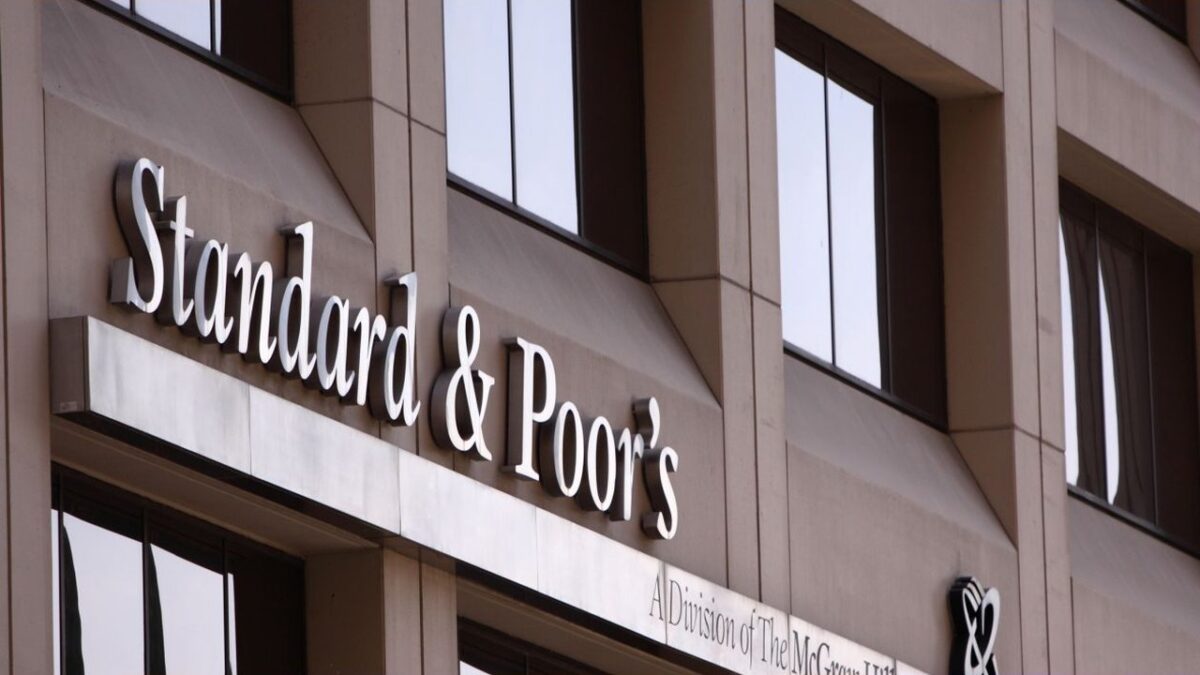
S&P Global has agreed to acquire a majority stake in Nigerian-founded ratings agency Agusto & Co, which operates in Nigeria, Ghana, Kenya and Rwanda. Financial terms were not disclosed. The deal requires regulatory approval and is expected to close during the second half of 2026.
Agusto will remain a separate ratings business with its own methodologies. S&P’s backing could expand local-scale ratings and improve coverage of African issuers. It also places one of the continent’s most established homegrown agencies under the control of a global ratings company criticised by African governments for overstating African risk. The test will be whether Agusto’s local judgement remains genuinely independent once S&P becomes its majority owner.
Notto’s 8M Alternative Credit Scores
Notto, which describes itself as Africa’s first licensed alternative credit bureau, says it has analysed more than one billion transaction records and generated over eight million credit scores. It uses rental, utility, mobile money and other payment histories to assess individuals and businesses with little or no conventional borrowing history.
Notto says some borrowers treated as high risk are already servicing informal loans charging interest of 20% or more a month because formal lenders cannot verify their creditworthiness. It hasn’t disclosed enough detail on participating lenders, loan portfolios or borrowing costs to assess its wider effect, but, if the model proves reliable, routine financial behaviour could become a usable credit record for borrowers that the formal system currently struggles to assess.
CADESA Starts Work on Farmer-Owned Cocoa Plant
CADESA has broken ground on what is intended to become Côte d’Ivoire’s first farmer-owned cocoa processing plant. The €15 million facility in the San Pedro region will initially process 15,000 tonnes of beans annually, with capacity expandable to 30,000 tonnes. Construction is scheduled to take 24 months.
The cooperative represents around 5,000 producers, including 600 women, farming more than 15,000 mapped hectares. The project is being developed through CADESA Processing SA, and the plant will be supplied entirely by the cooperative. The Ivorian government says it will produce cocoa mass, butter, cake and powder, allowing CADESA to move beyond selling raw beans.
US Funds Early Work at Madagascar Rare Earth Project
The US International Development Finance Corporation has agreed to provide up to $4.84 million for early development work at Harena Rare Earths’ Ampasindava project in Madagascar. Drawdown has begun, with the funding covering permitting, environmental and social studies, laboratory testing and a proof-of-concept pilot plant.
Harena is targeting an annual production of about 4,000 tonnes of rare earth oxides from mid-2028, including 1,700 tonnes of magnet rare earths. The approximately $150 million project still requires an exploitation permit. The US commitment is small but could lead to larger financing, and the signal is larger than the cheque: Washington wants alternatives to China-dominated rare-earth supply chains. Harena is also considering refining partnerships in the US and Europe, meaning the higher-value processing may take place outside Madagascar.
FREE · TWICE A WEEK