3 min read
Tony Elumelu Steps Back from UBA
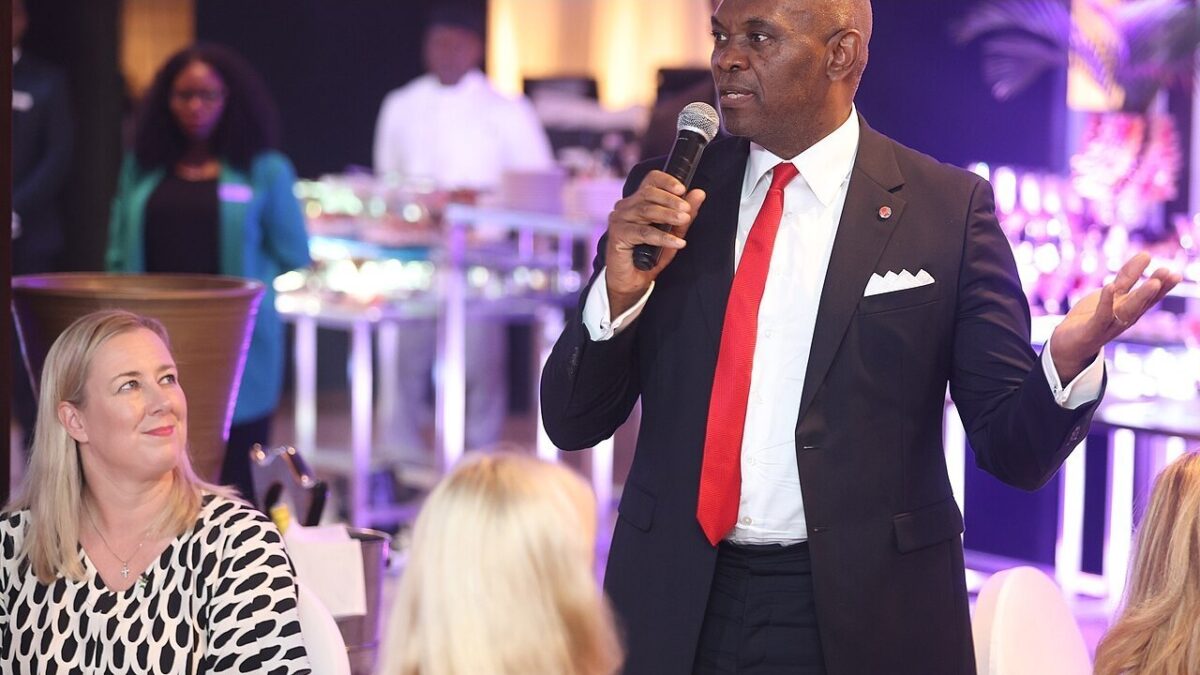
Tony Elumelu will retire as UBA Group chairman on 21 August, after completing the Central Bank of Nigeria’s 12 year tenure limit for non executive bank directors.
Elumelu helped create the modern UBA through the 2005 merger with Standard Trust Bank, the newer bank he led. The deal was unusual for its time; rather than the older institution simply absorbing the challenger, STB’s retail focus and technology led culture helped reshape UBA’s larger institutional base and branch network.
It also gave UBA the platform for its pan African expansion. The bank now operates in 20 African countries, four global financial centres and serves more than 50 million customers.
Elumelu remains a principal shareholder through Heirs Holdings; the chairmanship passes to Emmanuel Nnorom, who also serves as Group Chief Executive of Elumelu’s holding company.
Chery Takes the Keys at Rosslyn
Chery has taken over Nissan’s former vehicle plant in Rosslyn, Pretoria, ending Nissan’s manufacturing presence at the site after 60 years. Nissan will continue selling imported vehicles in South Africa.
Chery is retaining all 692 existing plant employees and expects the project to create close to 3,000 direct and indirect jobs across manufacturing, supply chain and services. Production is scheduled to begin in mid 2027, after plant upgrades. The company plans an initial ramp up of around 15,000 units, with single shift capacity of 50,000 units a year.
Rosslyn will serve as Chery’s African hub for manufacturing, exports, research and development and regional operations. Chery entered South Africa in 2021 and ranked second by sales in the first 5 months of 2026, behind Toyota.
Chinese brands now account for more than 19% of new vehicle sales in the country.
Nigeria Seeks Compensation from South Africa
Nigeria says it will seek compensation from South Africa for businesses, homes and properties lost during recent anti immigrant violence.
More than 1,000 Nigerians have registered for voluntary repatriation, while Nigerian officials in South Africa have begun documenting affected homes, vehicles and businesses ahead of a possible claim. South Africa has rejected the demand. Its government argues that legally registered assets remain under their owners’ names and can be sold, while the state is not liable for structures in informal or unregulated settlements.
Ghana is also documenting losses suffered by its evacuated citizens, widening the issue beyond Nigeria and South Africa.
In Nigeria’s Senate, lawmakers debated whether to nationalise South African companies operating in the country, including MTN and MultiChoice’s DStv, and use the proceeds to compensate victims. The proposal was rejected, with the Senate instead asking its Foreign Affairs Committee to investigate and build a verified register of affected citizens.
Mozambique’s 45% Problem
Mozambique has raised diesel prices by 45.5%, after cutting subsidies that had kept pump prices below import costs.
The country relies heavily on imported fuel, leaving it exposed to global oil prices and shipping disruption. For months, the government kept regulated prices down while importers paid far more on international markets than they could recover locally. The shortfall fed supply shortages, fuel station closures and long queues in major cities. Lower regulated prices also drew buyers from neighbouring markets, adding cross border demand to the pressure on domestic supply and public finances.
Diesel runs through freight, generators, agriculture, fishing and the Beira and Nacala trade corridors. A rise of this scale moves through transport costs, food prices and production margins.
Angola has taken the opposite path. Its subsidies are helping contain inflation, forecast at 8.6% this year, while leaving the state carrying more of the cost.
FREE · TWICE A WEEK